Friday, December 6, 2024

Board of Regents v. Bakke Mock Trial Reaction

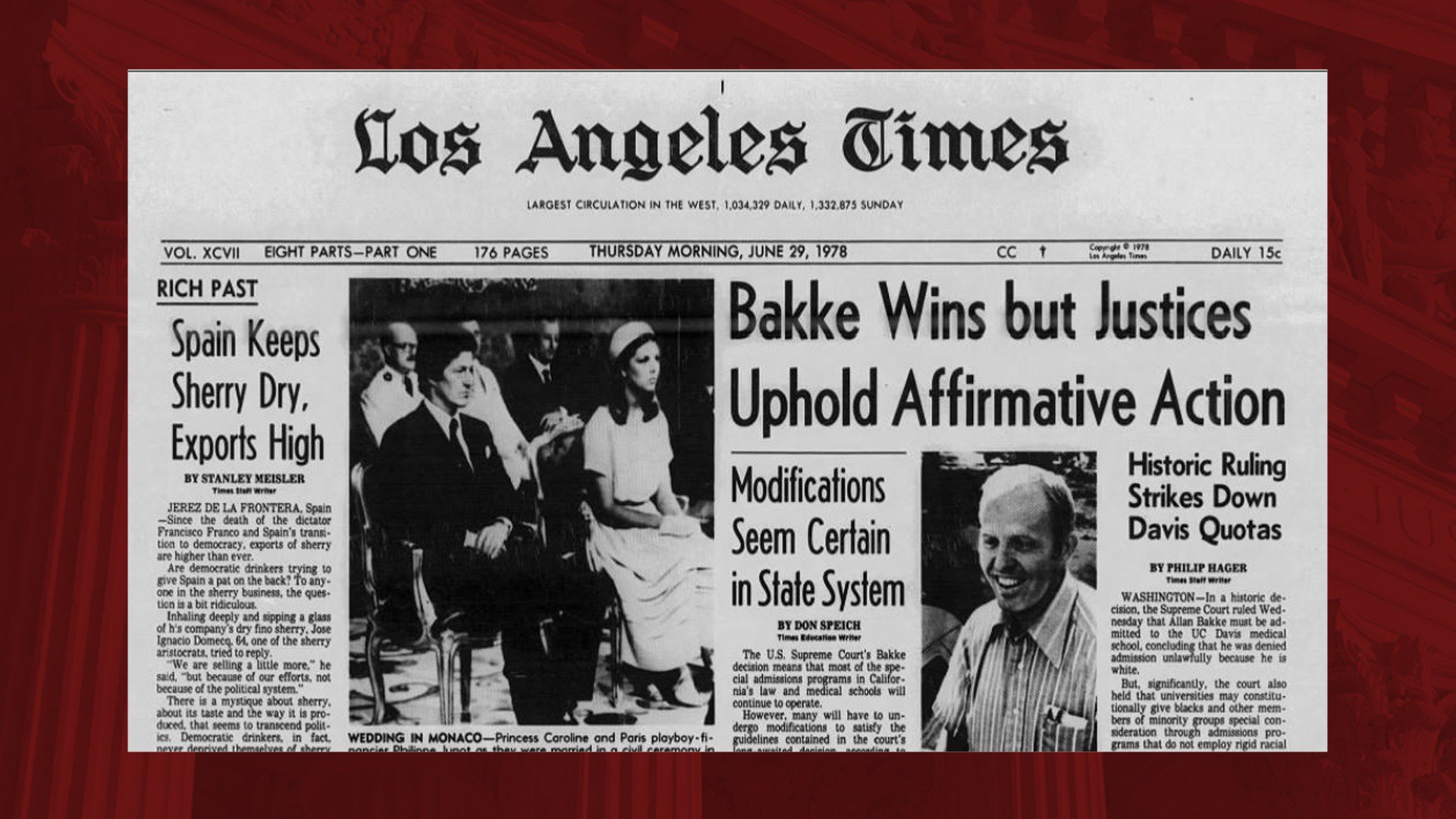
Today in Court we were presented with the Board of Regents v. Bakke; a case that was based off of the University of California's Medical School. The school decided to reserve 10 seats for African Americans only. Bakke was rejected from the medical school even though he had been more qualified than those who were accepted, and he argued that his rejection was because of the color of his race, which ultimately violated the Equal Protection Clause of the 14th Amendment. 


The Board of Regents proposed their side first. At the beginning they addressed the systemic inequality of the time, how other schools like Clemson and Arizona State were showing a rise in their affirmative action programs. They said that affirmative action wasn't about punishing one specific group, yet it was a promise that the public institutions will strive to represent the diversity of the people. 


One of the statements that still sticks with me to writing this reaction is about the diversity in the program. Creating diversity in the medical school ultimately helps the learning environment and atmosphere, in hopes of benefiting all students. This isn't intended to specifically put any group at a disadvantage, it simply wants to level the playing field for all individuals. 


With that it mind, the program is ensuring that future doctors will be able to understand and serve patients of all walks of life. They're not just simply lowering the standards of their medical school, yet that are just enlarging the criteria. 


Next up to the podium was the defendants of Bakke. Allan Bakke was a white individual who had applied to the University of California medical school, he had a great score on the MCAT exam, and on top of that had a higher GPA than others who had been admitted over him. This group argued that discrimination in any form against any person is wrong and is simply unconstitutional because of the 14th amendment. 


It was argued that students applying to medical programs should be equally judged by the universities based purely on their grades and test scores. The defendants mentioned that someone would say that they want to be accepted into a program because they deserved to be, not because their race made them more qualifying. 


The most qualified individuals should be trained and therefore when they enter the workforce, it will increase economic opportunity. Medical school is a highly competitive program to be admitted into, and as said during the trial, creating a less efficient medical market allows people who are unprepared to be treating patients to be put on the spot because they were only accepted for their race. 


All in all, the judge decided at the end of the mock trial that neither side wins. He said that policies should be completely changed and that race is only one aspect of the entire process, but should be factored in with all other things. 


This case was very interesting to learn from and hear argue in front of me. I think that both sides did a good job in presenting their view and how the case should be looked at. While in my eyes I would side with Mr. Bakke, I see how the judge made his decision and based on the information that was provided, I can also agree with him on how neither side should technically win. 

Tuesday, December 3, 2024

The Three Civil Rights Workers - EOTO

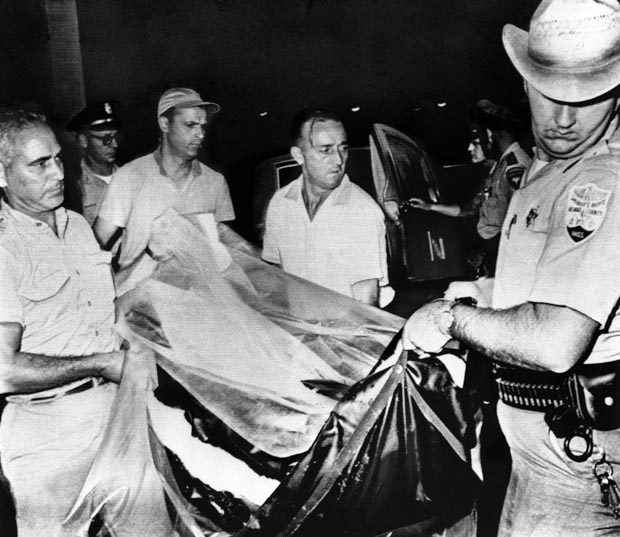
Three civil rights workers with the names of James Chaney, Michael Schwerner, and Andrew Goodman disappeared on June 21, 1964 near the town of Philadelphia Mississippi. What is now known and has developed into Mississippi Burning, the KKK had its eyes on this young group of men, men who had been very active in organizing local boycotts and trying to bring to light the importance of equality and justice for all. 

Chaney was an activist with the Congress of Racial Equality, also known as CORE. Passionate for the rights of black citizens, he worked in a fight for achieving their voting rights. Goodman and Schwerner were college students from New York who had been apart of the Freedom Summer initiative. Similar to Chaney, this initiative aimed to increase voter registration among African Americans in Mississippi. 


In June of 1964, the three men joined hundreds of other activists with similar viewpoints as them to participate in Freedom Summer, or the Mississippi Summer Project. This was a registration drive that hoped to increase the number of registered Black voters in Mississippi. African Americans weren’t the only ones apart of this campaign though, over 700 white volunteers joined them to fight against voter intimidation and discrimination occurring at the polls. 


On the 16th of June, a Black church located in Neshoba County was burned down; activists including Chaney, Schwerner and Goodman sought to go to the location and investigate the incident. 5 days later, on June 21st, the three were driving to the church when they were arrested for allegedly speeding. While they were only held in jail for about three hours, members of the Ku Klux Klan found out about them being in the area, and just like that they were abducted. 


When no one had heard from the men the next morning, a massive search for them had been initiated. Local citizens, civil rights groups, federal authorities including the FBI had joined in on the search, becoming one of the largest investigations in Mississippi. 


From June 24th to August 3rd
, a massive search that included the National Guard had been going on. From back roads to swamps to hollows, people were doing anything and everything in order to find out an answer about the men. At this point, the worst had already been assumed, but there was still no evidence that supported either side. 


Finally, on August 4th, 1964, the bodies of the three men were discovered in a dam located near Philadelphia, Mississippi. Their deaths drew a significant amount of media attention to the civil rights movement and highlighted the violence that many activists in the South faced during the time. While several Klan members were compromised, the justice for the three men was extremely slow and they even received lesser charges further instituting the racism that occurred in the South during the time period. 


This incident heightened awareness for President Lyndon B. Johnson’s push for the Civil Rights Act of 1964. Their story continues to serve as an indicator for the ongoing struggle for justice and equality in America, and it creates a telescopic view of the public outrage of the situation that ultimately drives the need for legislative change. 


Friday, November 22, 2024

EOTO #3 Reaction Post


This afternoon I came into class to learn about the White History and Positives of the Reconstruction Era. It was quite informative to be able to sit in a learn about some major historic events and particular law that was embodied during Reconstruction, both negatively and positively. 


To start, some of the negative things about Reconstruction or for say, White History that I learned began with the Negro Motorist Green Book was established in 1936 by Victor Hugo Green. The book provided safe travel options for African Americans during segregation. It showed the resilience of Black travelers, creating a community in the face of discrimination. 


The Wilmington Massacre of 1898 marked the only known violent overthrowing of the legally elected government in the entire history of the United States. The Massacre resulted in the deaths of 60-300 black citizens and forced a wide spread displacement of African Americans from the city. 


Another big thing mentioned was Sundown Towns. These were towns that excluded African Americans from remaining in the town following sunset. In accordance to this, some towns would even sound sirens at night. Edmond was a major town in which boasted about its all white supremacy. For example, on their postcards, they wrote "6,000 live citizens, with no negroes."


Lynchings were another big part of the white race in the south. These were acts of public killings of people who had not received any due process; they were used by whites to control and terrorize the black people during the 19th and 20th centuries. 


On the other hand, there were several positives to come from Reconstruction, and that started with Executive Order 9981. Signed by President Truman, the Committee of Equality and Treatment of Armed Services investigated the racial practices that had been used in war overseas, and this was able to advocate for desegregation among all workplaces. 


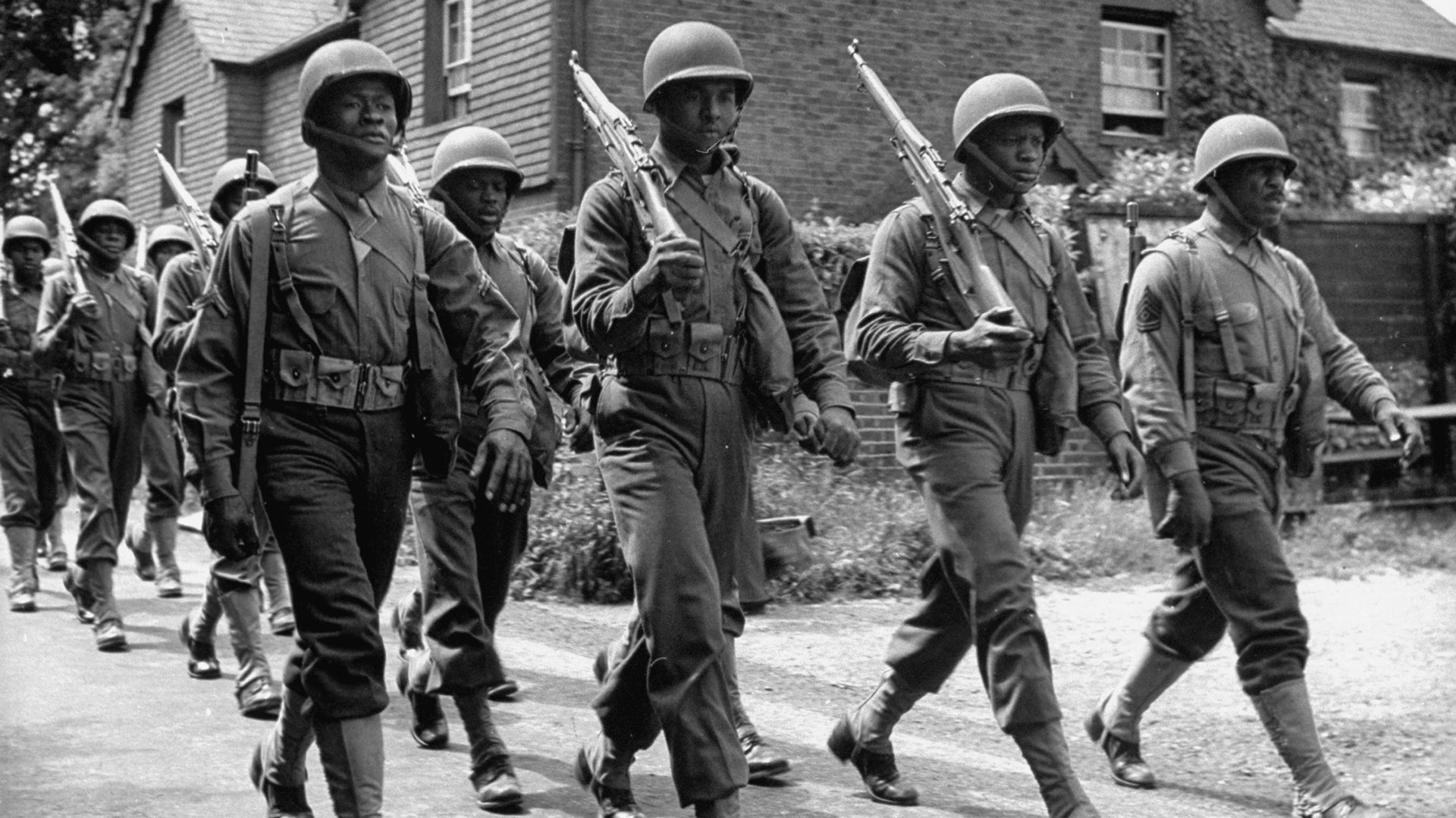
To go along with that was the importance of African Americans in World War II. Over a million African Americans served in the military, breaking significant racial barriers. While many had been forced into jobs like truck drivers and cooks, they were able to prove their talents by campaigning with leadership and skill in battle. 


Thurgood Marshall was the first African American Supreme Court Justice. He was rejected from the University of Maryland Law school because of his race, but went on to still graduate and become a lawyer out of Howard University. Marshall joined the NAACP as a staff lawyer before being declared chief in 1940. 


The last thing I will mention about what I learned was Porgy and Bess. Considered the first great American opera, this opened up the world of opera to becoming desegregated. Having an all African American cast, Porgy and Bess set a groundbreaking precedent for future performances and formed people to accept that segregation was beginning to deteriorate. 


While I thought I had known a decent amount about the Reconstruction Era, during this EOTO, I was able to learn all these things which I know can be important in future history classes. I enjoy being able to hear my classmates discuss and teach about a specific topic that they focused on heavily for the past week or so. I think this is a great way to continue learning new things and being able to interact with people in the class. 

Wednesday, November 13, 2024

Brown v. Board of Education Mock Trial

Good afternoon everyone, your honor. 

Today I come to share a few words about the law in the years leading up to the substantial court case, Brown vs. the Board of Education


The Civil Rights Act of 1866 was the first federal law in the United States to define citizenship and protect the civil rights of all citizens equally. In the midst of the Civil War, this act aimed to protect the rights of African Americans during a time where they had been brutalized and treated as none other than property. 

This Act served as a model for the 14th amendment. An amendment that overruled the Dred Scott v. Sanford decision. It stated that no state shall make or enforce any law which shall abridge the privileges or immunities of citizens of the United States and that no state shall deprive any person of life, liberty, or property, without due process of the law, nor deny any person equal protection under the law. 

But where does the law fall under the case of Brown vs. The Board of Education?


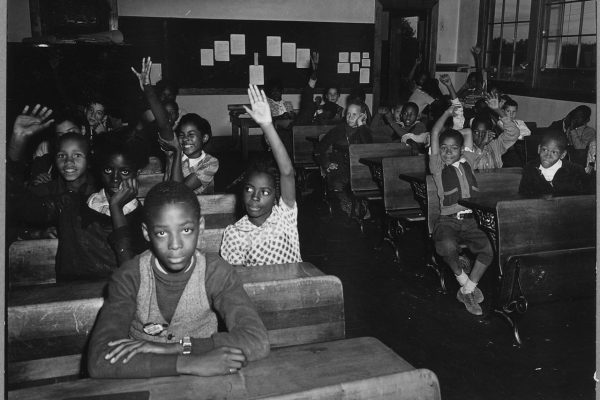
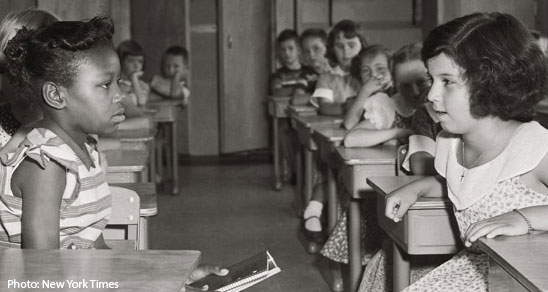
Today we argue that racial segregation in public schools, specifically regarding the "separate but equal" doctrine, violates the Equal Protection Clause of the Fourteenth Amendment, meaning that separate schools for Black and white students are inherently unequal and therefore unconstitutional

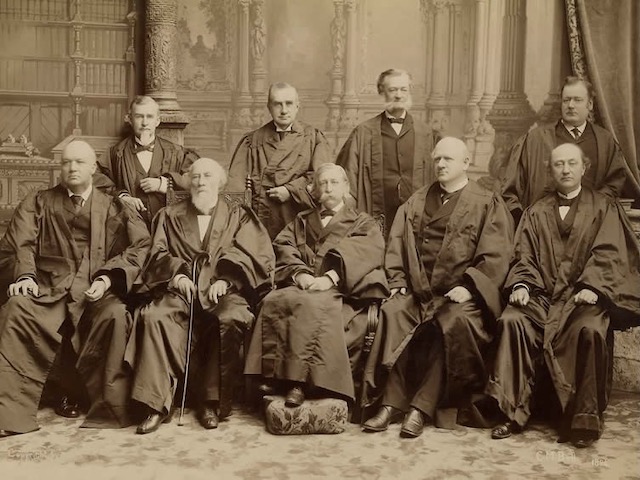
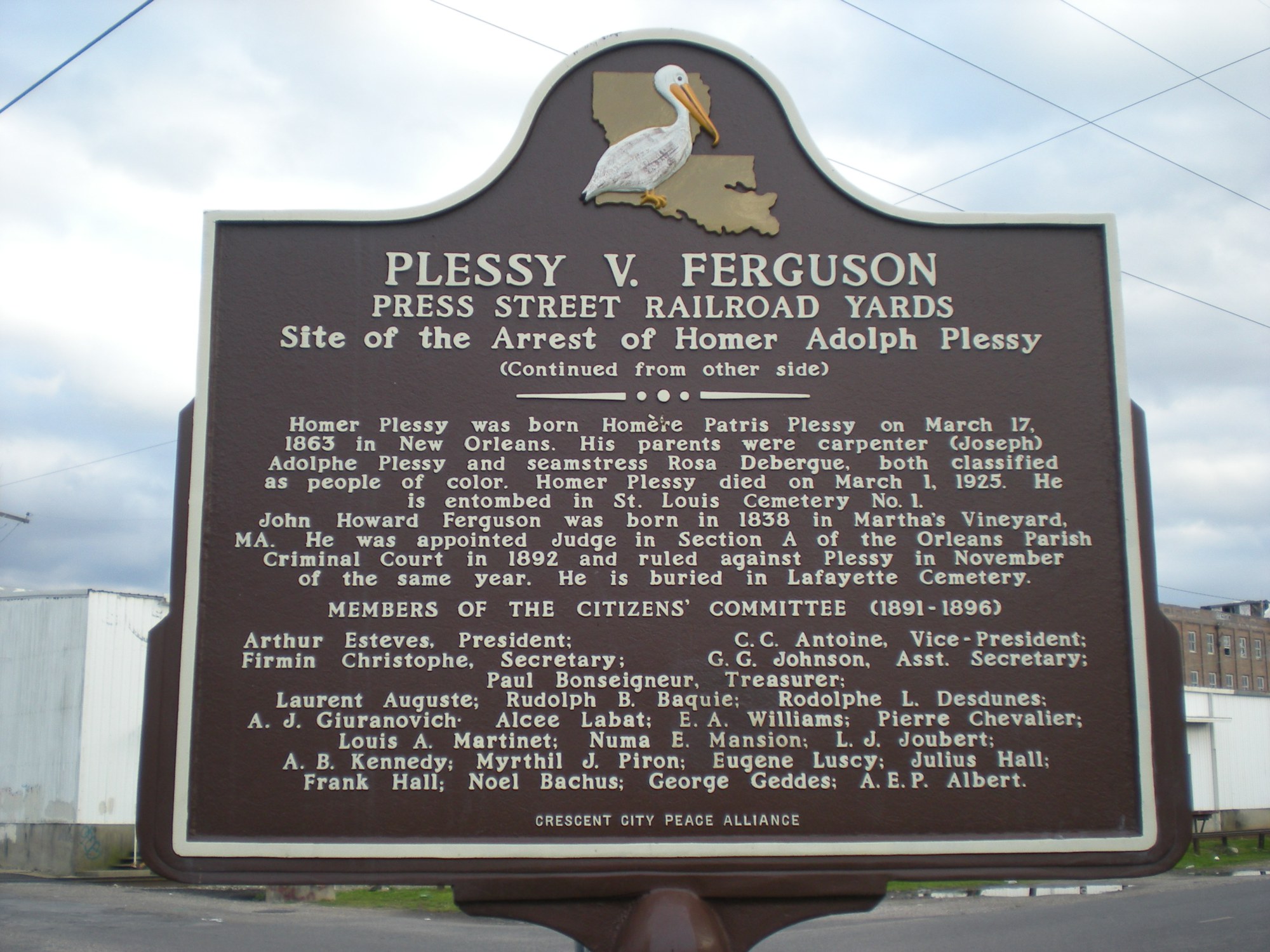
In 1896, the famous case, Plessy vs. Ferguson upheld the idea of "separate but equal," which encouraged and allowed racial segregation in all public facilities as long as the facilities were "equal." 

Under the Equal Protection Clause of the 14th Amendment, the facilities for black students are not equal, invalidating the doctrine established by Plessy v. Ferguson. 

Legally, this case is very significant to the idea of a constantly changing Constitution. It is crucial that a document created at the birth of America has the ability to adapt and change to the societal norms and customs of the time, to be able to change when it sees fit. This is a landmark case that must change the Constitution. African Americans should not receive any less of an education because of the facilities they are forced to be in, even when some, if not all, are more than enough qualified and deserve to be in the room with a white student. 

If we take a look into history, there were several cases in which set a clear path for the overturning of Plessy vs. Ferguson, and for you to make a decision in which desegregates all public schools.  


In 1938, the State of Missouri ex. rel. Gaines vs. Canada held that denying African Americans admission to a state law school while providing no equal alternative for them was a violation of the 14th Amendment and meant that public education in general must offer equal opportunities to its students whether they are white or black. 


Similar to the 1938 case was Sweatt vs. Painter (1950). This case yet again challenged the "separate but equal" doctrine. It declared that the segregated law school set up for African Americans in Texas was inferior to the University of Texas Law School, thus again violating the Equal Protection Clause of the 14th Amendment. 

There are various other cases prior to 1954 that argued for similar if not the exact same thing as the two mentioned above. What's important about this, is that the Brown case is not some random decision you will be deciding today. The argument for equal opportunities for Blacks goes back years prior to this day. While this is not the first case to make the argument against the "separate but equal" doctrine, it will pave a way for future Civil Rights Movements and bring about a greater awareness to the racial inequalities that all African Americans face, and in particular, the ones they face in education.

So, because of this, I urge you to side with Brown. Know that this isn't the first time an argument like this has come to light. It is a continuing problem among the education of all African Americans, and we should no longer have to fight each state and each specific school for the equality and education that is deserved. 

Thank you. 

Tuesday, November 5, 2024

In the Heat of the Night


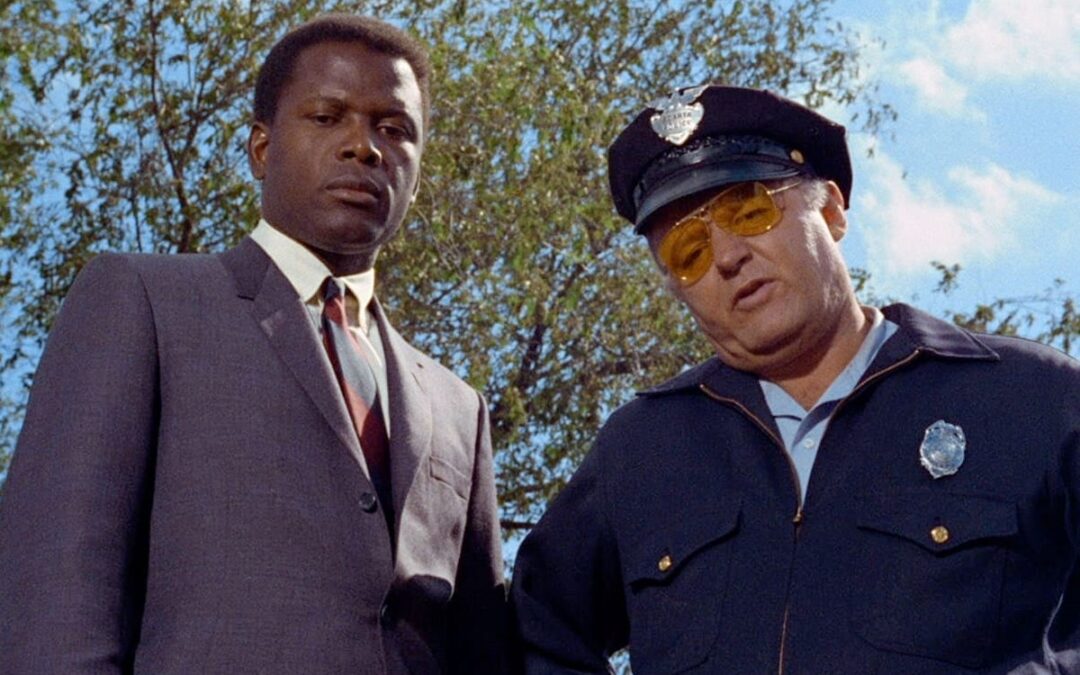
"In the Heat of the Night" is a 1967 American mystery drama directed by Norman Jewison. Set in the south, which was very racially separated at the time, the movie follows an African American detective while he investigates a murder in a small Mississippi town. 


The movie powerfully demonstrates the harsh realities of the "separate but equal" doctrine held up in the Supreme Court's decision in Plessy vs. Ferguson. Depicting a racially divided society in Sparta, Mississippi, the movie exemplifies the meaning behind "separate but equal," which is an unequal and unjust world. The system ends up placing African Americans into a life of violence. Through the racial tensions and treatment of Det. Tibbs, the film debunks the idea that separate facilities can never ever be equal in their quality. 


One of the most vivid indicators of inequality in the Sparta area is the community's treatment of Detective Tibbs. Even though he is an experienced detective, the white residents of the town view him with spitefulness. When he first arrived in town, he is falsely accused of murder simply because of the color of his skin. Right from the bat we are introduced to the failure of the "separate but equal" doctrine because it shows that being African American in a town like Sparta means that you can be presumed guilty regardless of your character. 


There are a great amount of disparities between the communities of African Americans and Whites in Sparta. African Americans are denied equal opportunities as the whites, and are living under a constant threat of violence. Far from a utopia, the doctrine has pushed Black citizens to a lower social and economic status, yet again allowing the white population to have superiority and greater control over what they would call "minorities."


The towns police department is led by Chief Gillespie. Initially, the relationship between Det. Tibbs and Chief Gillespie has a lot of mistrust and suspicion. Gillespie, a white chief of police embodies many of the biases and racist attitudes of a typical small white town. When the two have to come together to work with one another on a murder case, their relationship gradually shifts from resentment to mutual respect.  This comes to recognize the promise of the "separate but equal" doctrine where people finally begin to recognize the humanity of the other race, yet the system of segregation doesn't allow for the same relationships. More so, this relationship symbolizes the potential for understanding change in an ever so stuck up American southern society. 


For the people of Sparta, the term, "separate but equal" means more than segregation, it means a way of life to them; it is the way in which they view African Americans, people of inferiority, people whose lives and rights are at a constant risk of being violated. 


I think looking back on how I viewed this movie, I finally left the room with a positive feeling. While it delved into the painful and uncomfortable truths about racism towards African Americans in the south, there were many points of hope, resilience, and change. One of the most notable things as I mentioned before was the relationship between Gillespie and Tibbs. While they may not have become the best of friends, the progress they make is quite meaningful, and it symbolizes that even a small step is a step forward. So while there are dark points, I left with a bit of optimism, showing how people can grow towards optimism even if it takes a lot of time and is a very small improvement. 

Sunday, October 27, 2024

Plessy v. Ferguson Mock Trial Reaction

Presented in the court room today was the case of Plessy vs. Ferguson. Plessy bought a first-class ticket and upon entering the white carriage was arrested and escorted off the train, in which some may say, 'in a rough way.' He was then fined under the Louisiana State Law; Plessy challenged this, claiming that under the 14th amendment and its Equal Protection Clause, having separate cars for black and white passengers clearly violates his rights under the 14th amendment clause. 

The trial opened with the side in whom defended Plessy. They began with the ratification of the 13th amendment. One of the important things said here was, "seeds of justice had already been planted." 

A great point about discrimination was brought up. Why do we, as whites, discriminate against people who don't look the same as us. We discriminate against people who didn't "choose" who they were when they were born. As for religion, God sees us as equals, so why can't we look past these differences?

Plessy was 1/8th African American. He was only 1/8th different from those sitting around him. So yet again, how do we pick and choose who can and can't sit in a certain car, well this is a great thing to think about. 

This, "separate but equal" era truly harms the economy. There had be separate facilities for everything; that included, education, transportation, and so much more. The taxpayers are the ones who keep these public things going. Paying for double infrastructure ultimately becomes a burden. Instead, integrating things like school and transportation can allow the savings from this to be redirected for more important services like our military. 

Traditions are a valuable thing, especially for the African American culture. Segregation is basically telling them that their traditions, their culture is inferior to everyone else. In the Declaration of Independence, "All men are created equal," the 14th amendment, no state shall deny any person the equal protection of the law. These simple Constitutional amendments are so crucial in this case. Deciding this case based solely on race is unconstitutional, and this decision will strip African Americans of their liberty, their individual and personal freedoms. 

On the other hand, Ferguson argued that the case isn't simply about denying Plessy his rights, but upholding the public order; upholding laws that uphold peace and justice in society. 

The Black Wall Street in Texas has opened up economical opportunities for African Americans. Integrating businesses would cause tensions between workers of different races, deferring customers. In Galveston, facts show how blacks and whites thrive separately, so why change that when they are successfully flourishing how their style of life is now. 


Federalism is an important key concept here. The idea that states should decide their own decisions and laws. Each state has their own cultural and social needs. A state in the north is different from a state in the south proved by the war. So, this separation is something that should be left to the states. 

One of the most captivating performances of the night was about religion. In the Bible, specifically the Curse of Ham in Genesis, Noah curses his son, Ham, and his descendants. African Americans are descendents of Ham. God created different races, with their own place and purposes, mixing these races violates the boundary set by God himself. 

So, hearing both sides, the final decision as decided by the judge was that he ought to reject the state of Louisiana argument, that it is merely and neutrally "separate but equal," the reality on the ground shows that the state is not treating the two races equally under the law, so the court sides with Mr. Plessy. 

It was quite interesting and valuable to see the arguments of both sides during this mock trial. While initially I was 100% in and supporting the Plessy side, the Ferguson side did have some strong evidence, yet it truly just wasn't enough considering the situation. Hearing the different approach to economics, history, religion, it was good to see the research that had been done to get to this point and how important these mock trials are despite the winner in the end. 

Thursday, October 24, 2024

Reconstruction Video


Reconstruction was a time that America could finally become the land of freedom, it left a legacy of hope, yet a legacy of violence. A television show on PBS, "The American Experience" touches on the the history of the Reconstruction Era, a long misunderstood chapter of American history. The episode, "Reconstruction: America After the Civil War," highlights not only how this era showed progress for African Americans, but also the amount of resentment and stubbornness that ultimately refused these people to be free citizens. 


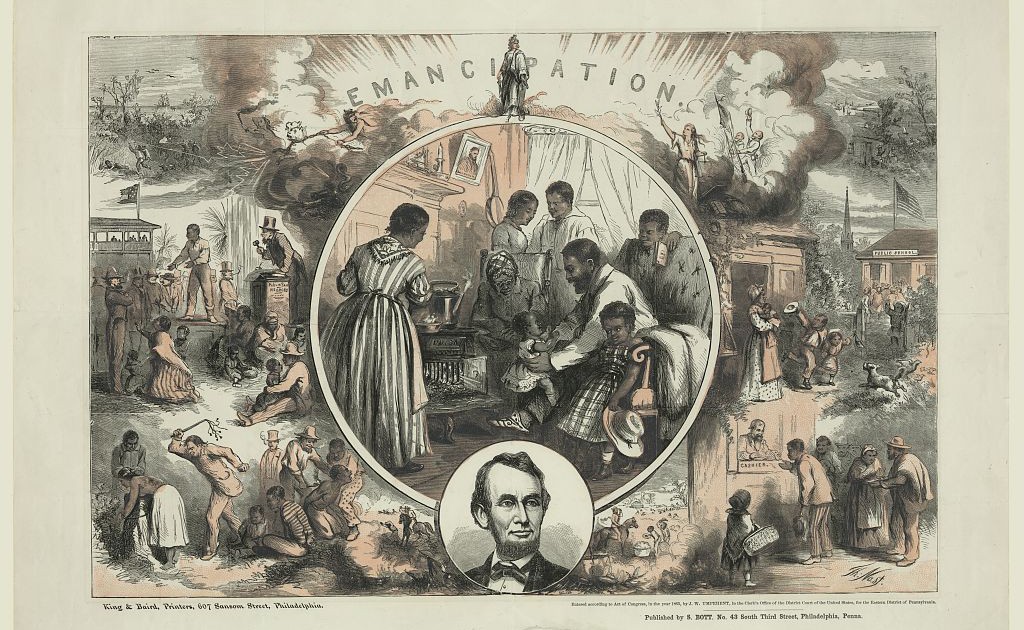
The Emancipation Proclamation declared by President Lincoln announced that all enslaved people in the states shall be forever free. But, if you think about the future, this isn't entirely what happened. Instead, the Emancipation Proclamation was just the beginning of the story to this Reconstruction Era. 

On April 9th, 1865, Confederate General Robert E. Lee surrendered to Union General, Ulysses S. Grant, finally signalizing the end of the civil war, and what was thought to be the end of the slavery in the United States of America. On the surface, Reconstruction meant restoring the rebel states to the Union. What was noted in the episode was what the post war had to confront, and that is as follows, "Who is a citizen?" and "What rights do they have?"

Only a few days following the conclusion of the war, John Wilkes Booth shot and assassinated President Abraham Lincoln. Hours after his death, the southern democrat Vice President, Andrew Johnson was sworn into office. Even though Johnson grew up as a poor southerner, his new realm of power didn't stop him from being shy. 

The Freedmen's Bureau was one agency that was created to make sure local courts treated blacks fairly. One of its major factors was the open land it could give to the freedmen. Ultimately though, Johnson shut this down, as the Republican party became more and more worried that Johnson was greatly undermining the results of the war. 

2 things mentioned in the episode that the Confederacy was all about was slavery. The main message here was that slavery was the cornerstone of their civilization. First off, they said that slavery, should in fact, be perpetual. And secondly, if the nation were to expand, slavery should go with it. 

In November of 1865, the Black Codes, a set of oppressive laws only applying to African Americans was passed into law. The laws recognized that slavery had been abolished, yet there shall still be very little change from slavery to freedom. 

The following year, Congress overrode the veto of the President, passing into law the Civil Rights Act of 1866; this was their answer to the Black Codes. 

Finally, the episode ended with talk of the 14th Amendment. The Amendment that stated, "all persons born or naturalized in the United States are citizens, and guarantees them 'equal protection of the laws' under both state and federal jurisdictions."

Overall, I really enjoyed watching this episode of Reconstruction. I was able to learn a lot of new information, both displaying the positive and negatives of this time period. The visuals and diction of not only the show but the people interviewed during the show was very powerful and definitely left an impact on me. 

Monday, October 21, 2024

Freedmen's Bureau - EOTO

The Freedmen's Bureau was established in 1865, two months prior to when Confederate leader, Robert E. Lee surrendered to the Union. Congress' goal in the publication of this agency was to help millions of former black slaves and poor whites in the South following the Civil War. 

It provided food, housing, medical aid, helped establish schools, and offered legal assistance. In addition, it also aimed to help former slaves settle on land that had been confiscated or abandoned during the war. 


The Freedmen's Bureau helped in feeding millions of people, built hospitals, which provided medical aid, was able to negotiate labor contracts for ex-slaves, and helped former slaves be able to legalize marriages and locate their lost relatives. It was also instrumental in building thousands of school for blacks; it helped to found colleges such as Howard University, Fisk University, and Hampton University. 

Although the agency was thought to have only been a temporary thing, only carrying out its duties till the end of the war, one year later, it had been placed under the authority of the War Department. Majority of the employees of the agency had been Civil War soldiers; Union general, Oliver Otis Howard was appointed commissioner of the bureau. 

From the beginning, the bureau faced a lot of resistance, the majority coming from white Southerners. But, another big opponent of the agency was President Andrew Johnson. Only a year after the agencies formation, Congress introduced a bill in order to extend the powers of the bureau. President Johnson vetoed the proposed legislation, claiming that it interfered with states rights and gave preference to one group of citizens over another. 


That same year only months later, Congress overrode the president's veto and therefore passed a revised version of the bill. Not sitting well with Johnson, he entered into a fight with the Radical Republicans in Congress, a group in which had viewed Johnson's Reconstruction policies too lenient. Due to this, the agency suffered greatly. 

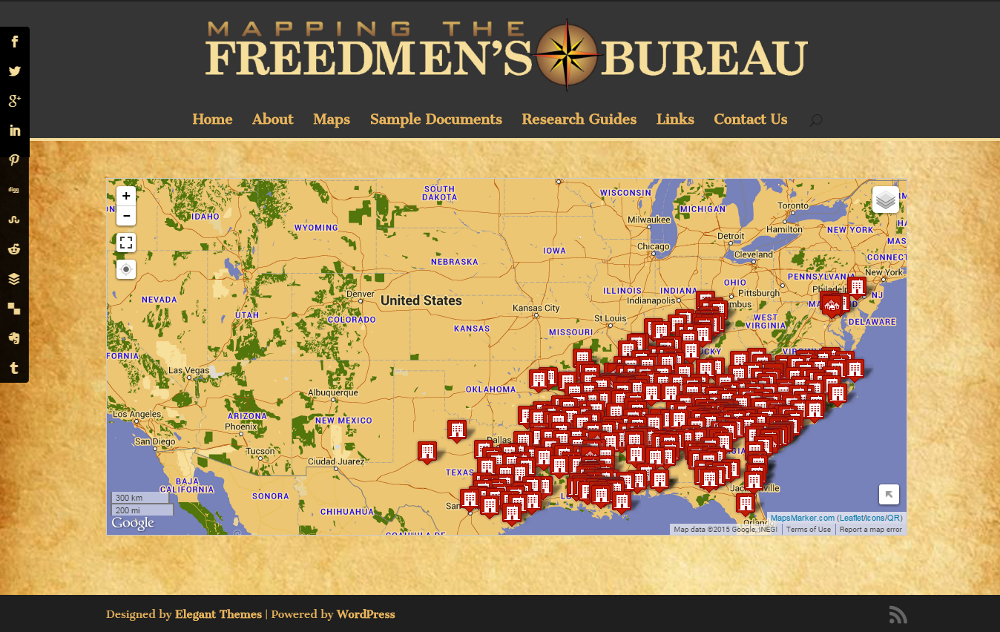
The Freedmen's Bureau had been organized into districts that covered the 11 former rebel states and the border states, setting up offices in a total of 15 states, all in major cities. In addition, each district was led by an assistant commissioner. Over the entirety of its existence, the bureau had been underfunded and understaffed, reaching a peak of only 900 agents.

The Freedmen's Bureau ultimately came to a close in 1872 due to both funding limitations and racist attitudes toward the agency. African Americans were forced to deal with their own complications with racial attitudes and discrimination, in which many decided to continue to work for their former masters as sharecroppers or tenant farmers. 


Although in the end the bureau was forced to shut down, it still had many positive outcomes in which led the former enslaved people to their journey for freedom and citizenship. It gave the former slaves hope for the future and started their lives after the Civil War on the fight and road for equality. 


Wednesday, October 16, 2024

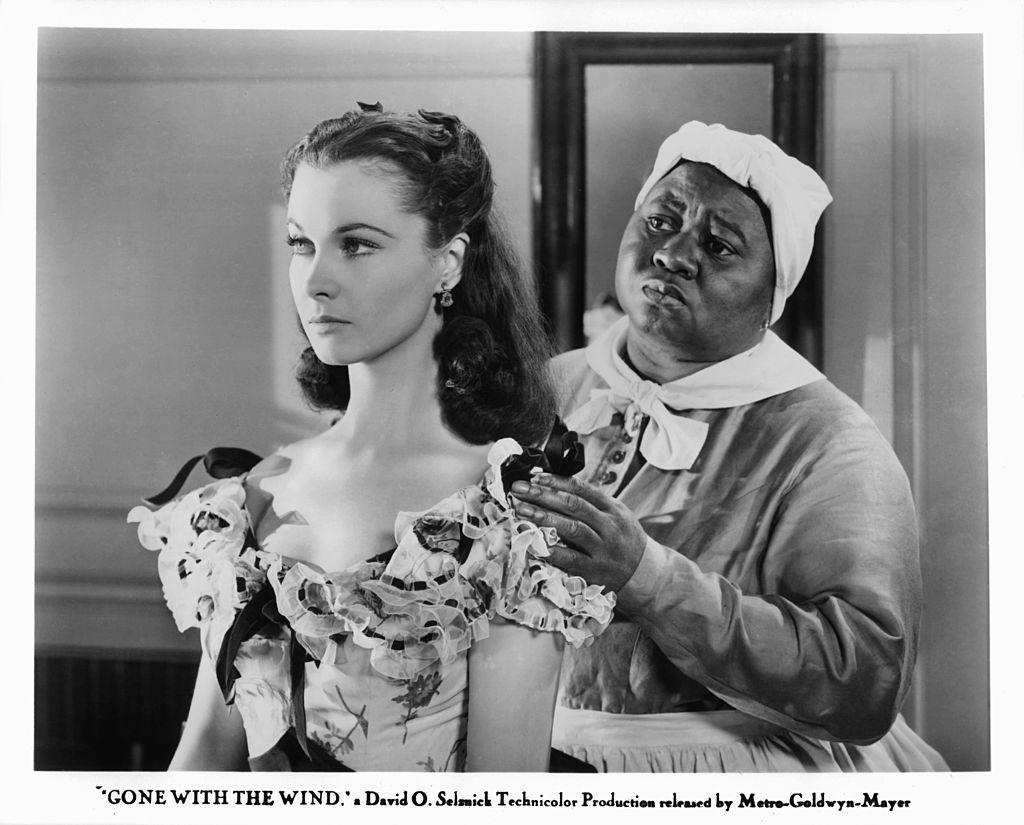
Gone with the Wind Reaction

Gone with the Wind
, a classic American film released in 1939, is primarily a historical romance and drama set during the American Civil War and Reconstruction era. The movie displays a high cultural relevance and is still making an impact today. 

The film opens to a plantation; a plantation that displayed the everyday lifestyle of Southerner’s during this pre-Civil War South time. More so, the audience is immediately inserted into the dominance of the South, showcasing lavish plantations, grand parties, and certain cultural and gender norms of the time. Here, we are also introduced to Scarlett, a plantation owners’ daughter, who is ultimately used to getting what she wants. 

Scarlett is a complex character in the movie. Her evolution throughout the movie doesn’t only reflect her own personal growth, but the society of women during the Civil War. 


In the tumult of the war, Scarlett goes from being a sheltered, selfish Southern belle to becoming more resourceful and determined. For example, in the movie, at the beginning of the war, Scarlett is completely fixated on Ashley Wilkes, who she believes she is in love with. When she finds out he is already engaged to Melanie, she becomes desperate and does everything and anything to try and charm him over. This displays that her only concern is her social status and appearance. Nothing going on around her seems to be important other than these romantic aspirations in which she wishes to continue to pursue. 

Fast forward to the end of the war, when Scarlett is able to return home, she see’s the struggle in her family and how her circumstances have now changed. A pivotal moment, marking a shift in her character is when she declares, “As God is my witness, I’ll never be hungry again!” Scarlett is resilient. She is no longer the young girl who was occupied with romance, yet she takes on the responsibility to rebuild her life and provide for her family. 


Women had the opportunity to take a step outside their traditional roles. The Civil War, and many other conflicts during the time, gave women the ability to take on a role outside their comfort zone. With the men gone to do the at-home work, women stepped up in agriculture, business, and sometimes even nursing. These experiences gave women a sense of independence. Women became indispensable to the war efforts, as they were able to continuously prove their capabilities ranging from being in the fields to being in the hospitals. 

Other conflicts that also brought women outside their traditional roles were World War’s I and II. There was a great amount of shift in both societal norms and gender roles, which ultimately led to the call for change and social equality. 

I think that Gone with the Wind will always be remarked as a significant piece of work for centuries to come. The main character, Scarlett, truly embodies the struggles that women faced in a society where men were always seen prevalent. Most importantly though, Scarlett adapted and embraced her independence, which gives more women the confidence to do the same. Overall, this movie was very accurate in its storytelling and time periods, and its visual effects made
the movie an intriguing watch for the audience. I believe
this movie will continue to make an impact with its 
ongoing fight for equality through the journey and 
eyes of Scarlett. 


Saturday, October 12, 2024

EOTO #1 Reaction

Today, the two sides of slavery were presented. Major events on the acts of pro-slavery and anti-slavery were discussed in which revealed the details of some key events that has occurred in the past of our nation.

Some of the pro-slavery acts and events that were shared were the Fugutive Slave Act of 1850, Bleeding Kansas in 1854, The Nullification Crisis of 1832, The Secession of South Carolina in 1860, and the Fight on Fort Sumter in 1861. 

The Fugitive Slave Act was part of the Compromise of 1850, and stated that slaves had to be returned to their owners even if they had gone over into a "free" state. This act was met with much resistance and took a whole fourteen years for its repeal. Bleeding Kansas led to the passing of the Kansas-Nebraska Act; this Act created the territory of Kansas and Nebraska, and gave the states their own power to decide whether or not they wanted slavery through a process known as popular sovereignty. The Nullification Crisis of 1832 really tested the federal authority, such tariffs passed often favored the North, harming the South. 

The Secession of South Carolina in 1860 marked the first Southern state to secede from the Union. Following the election of President Abraham Lincoln, the state unanimously decided to withdraw. This event created a rippling effect among the Southern states as it caused the rest to follow suit. This event right here was seen as the largest pivot point within the beginning of the Civil War. 

And finally the fight on Fort Sumter in 1961 marked the opening conflict of the Civil War. While the capture was crucial for the Union, the Confederates ultimately came away with the victory which gave them the confidence to be able to solidify their movement of independence. 

On the other hand, there were many anti-slavery events that occurred during the same time periods. One of these major things was the Underground Railroad, which symbolized the resistance of slavery in the United States. Over 100,000 people were able to escape slavery thorugh this network of safe houses and routes that led slaves in the South to free land in the North. 

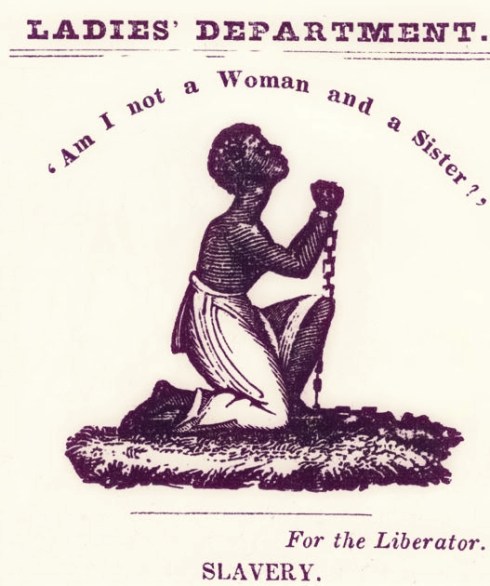
Additionally, two major abolitionists of the time, Frederick Douglas and William Lloyd Garrison released newspapers entitled, The North Star and The Liberator. The North Star was used more as a platform to share Douglas' experiences, encouraging and giving hope to those in similar situations. The Liberator mainly focused on human rights as a whole and provided a platform for abolitionist ideas. 

Amistad was another event in which had 53 slaves captured and held in captivity on a ship, and in the end, only 35 survived. What's important here is that some slaves chose to uprise against the masters, even though there was limited space and already bad conditions. Some other uprisings and rebellions that have occurred is Nat Turner's Rebellion and the Haitian Revolution. 

The American Anti-Slavery Society was formed in December of 1833 and marked the 1st national organization of its kind. The Society encountered a significant amount of violence, being attacked by white mobs, and while it dissolved by 1870, the society layed down the groundwork for future Civil Rights Movements. 

Some important legislative achievements that were mentioned was the British Abolition of the Slave Trade Act in 1807, and a year later, the U.S. released an act in which finally prohibited the importation of slaves in America. 

Overall, I feel like I was able to learn a lot about our country's past with both anti-slavery and pro-slavery events and actions. While I had already heard of some of these things, it was nice to hear about the more in-depth research that my other classmates had focused on, as I was definitely able to learn some new by the end of this EOTO. I am looking forward to doing more of these in class throughout the remainder of the semester!

Thursday, October 3, 2024

State v. Mann Mock Trial

I come here today to speak upon the history of slavery, not only in the state of North Carolina, but the country of America, and even greater, the world. 

I stand here to defend John Mann, a slaveowner who shot and injured one of his own. Why would you be defending an attempt of murder you might ask? Well, this was no attempt at murder, this was a simple action that in the history of slavery was seen as a way of life, a way of living. 

Slavery has been apart of the history of the world since the dawn of civilization. The practice of human slavery itself grew as the world became more civilized, more vibrant. Sumer was thought of as the birthplace of slavery, which then grew into Greece and parts of ancient Mesopotamia. 

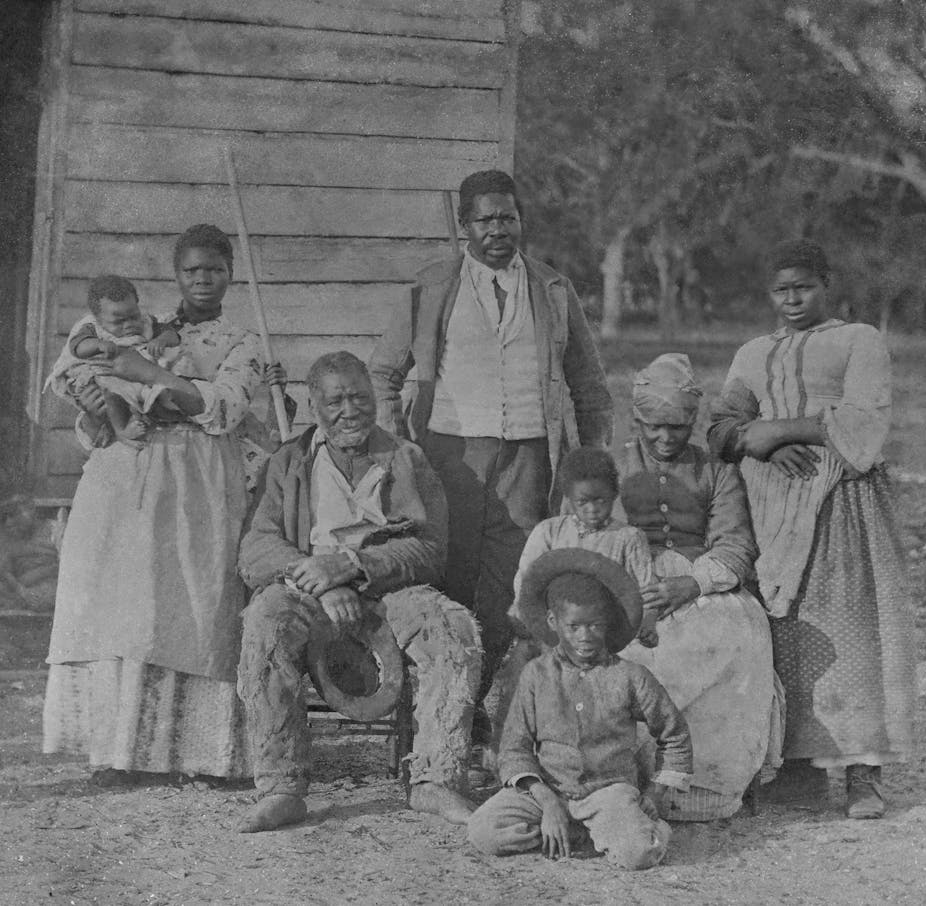
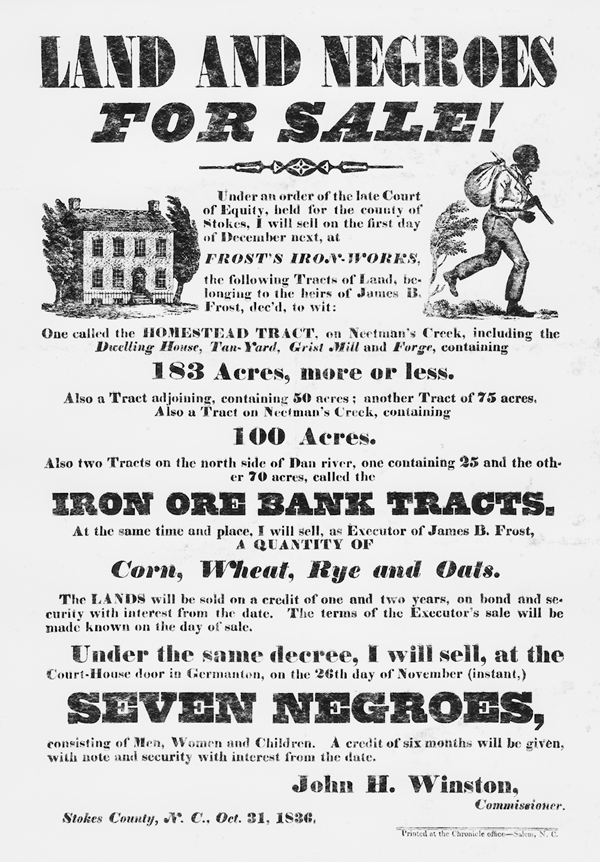
When slavery began in America, it primarily was centered in the South, but don't get me wrong, it was still country-wide. The practice of slavery became a universal way of living. Slaves, because they were black, were considered property, and this status as property was heavily enforced by violence. 

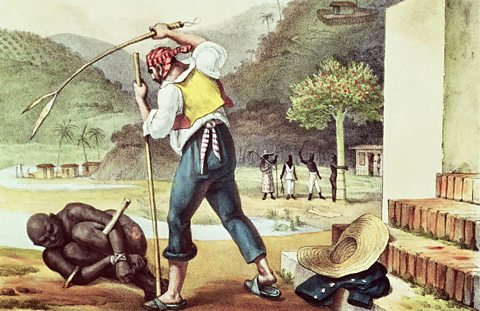
Like a typical master and slave relationship, everyone knew the slaveowners were responsible for the punishment and discipline of their slaves. Slaves were punished for almost every little detail they did wrong, they were punished for not working fast enough, being late to the fields, defying authority, and most importantly, an attempt to run away. But, how were they punished? Slave masters could punish their slaves in multiple different ways. While the punishments from owner to owner differed in their own ways, it was universal across all slaveowners; slaves were meant to be bossed around, meant to be put to work, and meant to be punished. Some of these punishments included but were not limited to torture, whippings, imprisonment, being sold away from the plantation, and the worst of them all, murder. 

Even in the state of North Carolina, to remind you, a southern state, slavery has been apart of the area since the late 1600s. North Carolina had specific colonial laws that existed in which white enslavers and politicians enacted, in order to control enslaved people. The North Carolina Slave Code of 1715, required that enslaved people carry a ticket from their enslaver whenever they left the plantation property, it also prevented them from gathering in groups and required white people to help capture the escaped slaves. In another law, it was stated that any freedom-seeking enslaved person who refused to surrender themselves immediately were ought to be killed and there would be no legal consequences. 

So, if punishment was part of the norm, why was John Mann receiving so much backlash about his interaction with his slave, Lydia? This is what I am here to convey to you. John Mann was acting as any other slave master at the time, no different than one across town, across state borders, or even across the world. This was a time period where slaves were not free, and most importantly everyone knew this, even you sitting here today. John Mann did no wrong in his actions. While you may say that his action is unjust and cruel, slaves belonged to their masters, they were not people, they were property, and because of this, Mann's actions were completely justified. 

Take a minute and put aside the context of emotion; slavery was life and slavery was legal. Other than the fact that Mann's actions were emotionally and physically cruel, there is no legal justification that supports him being convicted. John Mann is not guilty, and shall not be charged or punished for how he chose to handle his own slave


Thursday, September 26, 2024

Town Hall Meeting Reaction

While listening in to the Town Hall Meeting, I was able to learn more about several abolitionist leaders I had already known, along with those I haven't heard of. In addition, it was great to be so engaged and focused in on the meeting as each of my fellow classmates had great preparation and research for their presentations, which I think made the Meeting overall a big success!


The first presentation we heard about was Richard Allen. While I had not known much about him prior to this day, I left the room with greater knowledge and a better understanding of where he stood as an abolitionist advocate. Through listening to my fellow peer, I learned that Richard Allen was a man born into slavery and eventually worked for his slaveowner for his own freedom. Once he purchased his out, Allen helped in founding the Free African Society, which was very similar to the famous Underground Railroad that is popularly known today. 


Two figures that I had known prior to this meeting, but walked out knowing much more was Frederick Douglas and Harriet Tubman. There is no true knowledge of the actual birthday of Douglas because he was a slave; he wasn't just a typical slave though, Douglas was a city slave. Being a city slave, Douglas was treated a little bit differently than the traditional farm slaves were; he was often clothed and housed very well. On top of that, he even was able to encounter education at an early age, which allowed him to learn the alphabet which he put into use in everyday life such as street signs. What I learned from all this, is that this beginning of his life, and this education, is what became his weapon to fight against slavery and claw his way to freedom. 


Harriet Tubman, like everyone knows, was the conductor of the Underground Railroad. A big part of this was her free realm to explore the geographical features of the farm she was working on. Harriet was able to acquire knowledge of the land which finally led to her success in setting up these pitstops for escaped slaves seeking independence. Working 19 trips, freeing approximately 300 slaves, her nickname became "Moses." What was new to me about Harriet was her work for the U.S. army. After finding her way to freedom, she worked as a spy, giving inside details of war to the U.S. army. 


I could go on and on about what I was able to learn from participating in this Town Hall Meeting. I not only was informed about knowledge I had already known, but completely new things that might not come up on a typical google search. By completing my own script and hearing out my classmates, I know that we all did a tremendous amount of research and put lots of time into perfecting our presentation, which is what I think led to the success and what allowed me to learn so much information about some important abolitionists in the past time. 


Tuesday, September 17, 2024

Town Hall Meeting

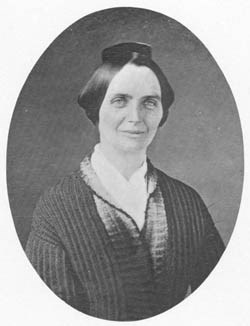
My name is Abby Kelley Foster. While you may not hear my name come up with some other prominent figures like William Lloyd Garrison, Frederick Douglas, and Harriet Beecher Stowe, I have spent more than twenty years traveling the country as a crusader for social justice and equality. I served as secretary of the Female Anti-Slavery Society, and then was later named the first delegate to the Anti-Slavery Convention of American Women. In addition, I founded the Millbury Anti-Slavery Society and became the Chief fundraiser by lecturing for the American Anti-Slavery Society, which I later developed into a general agent for. On top of this, I was among the organizers that founded the New England Woman Suffrage Association, which was the first regional association advocating women suffrage. 


I followed the motto, "Go where least wanted, for there you are most needed." I was born in 1811 and grew up in Massachusetts, raised by a family full of Quakers. I grew up on a family farm and began my education in a single-room schoolhouse; I was brought up in a time where women were demanded to be silent, submissive, and obedient. Just like many others at the time, I supported the plan of the American Colonization Society, which basically supported the move of African Americans to Africa. 


But, after school, I moved from Worcester to Lynn, still in Massachusetts, and began teaching, which is where I heard a lecture by William Lloyd Garrison; his words changed my mind and transformed my platform and focus to the abolition of slavery. The Liberator was the paper that influenced me to join the Female Anti-Slavery Society, where I was soon promoted to secretary. Just shortly after I was named a delegate to the first Anti-Slavery Convention of American Women. 

About a year later, I went on to make my first public speech against slavery. With great response from this, I quit my role as a teacher and went on to create the Millbury Anti-Slavery Society. I also began larger lectures for the American Anti-Slavery Society, and presented one of my most famous speeches, "Bloody feet, sisters, have worn smooth the path by which you come hither," which ultimately challenged women to demand the responsibilities as well as privileges of equality. 


Explicitly mentioned in my book, Ahead of Her Time: Abby Kelley and the Politics of Antislavery, I didn't just use my time and words to speak out upon slavery, but I did so in a way that all women could be represented. By speaking, I found it was my duty to defend us women, sending a message that it isn't just men who have their thoughts about slavery, but it is every individual in this country. 


As Chief Fundraiser for the American Anti-Slavery Society, I worked for the ratification of both the 14th and 15th Amendments. After slavery had been fully abolished, I didn't quite stop just yet. I switched my focus from abolition of slavery to women's rights. Just like I had previously done before, I held meetings and lectures, calling for any 'severe langue' in any resolutions that were adopted. I was yet again among the organizers who founded the New England Woman Suffrage Association, which was the first regional association advocating for woman suffrage. This association helped lay down the groundwork for the 19th Amendment; the amendment that finally gave women the right to vote.

I advocate for "come-outerism," the belief that abolitionists must leave churches that did not fully condemn slavery. I am not afraid to speak my mind to address the issues that the country has continued to face. I disowned, yes, I cut off the Society of Friends because the New England Meeting violated its own principles on the question of slavery. My attitude towards slavery has not changed since the day I heard my first lecture, read my first newspaper, and I will continue to fight and stand up for all women, all individuals, despite their race. 

Board of Regents v. Bakke Mock Trial Reaction

Today in Court we were presented with the Board of Regents v. Bakke ; a case that was based off of the University of California's Medica...